


A Year of Photographic Lessons – Journey of a Novice Photographer
About a year ago I decided to try and take my photography to the next level – to go beyond basic snapshots and try and get the wow factor into my images. I hope this article covering my photographic experiences of 2013, and the lessons I’ve learned gives you some ideas for 2014.
This is the story of my year of photographic lessons – maybe you can relate, or are on a similar journey.
Note: the images in this article are in chronological order with my early work near the top, and my most recent images at the bottom. Hopefully you can see where I’ve started from and how much I’ve progressed in a year. You can do this too!
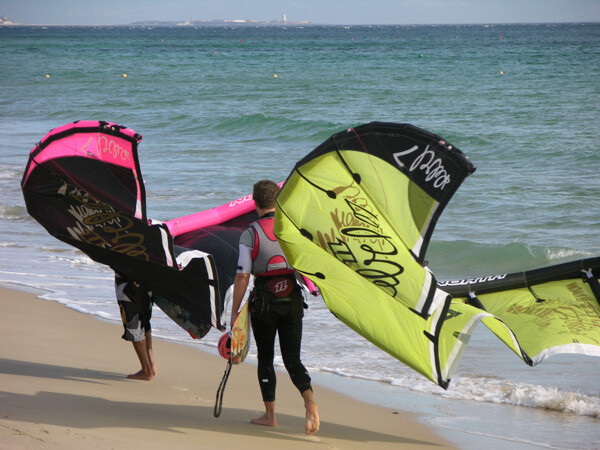
STEP ONE: – join a photography club
The single biggest thing that made a difference to my photography in 2013 was joining a local club in Dublin, Ireland (www.offshoot.ie). This proved to be the turning point for a few reasons:
- It was an opportunity to learn from like-minded, enthusiastic and friendly photographers; and a chance to be inspired by their stunning work.
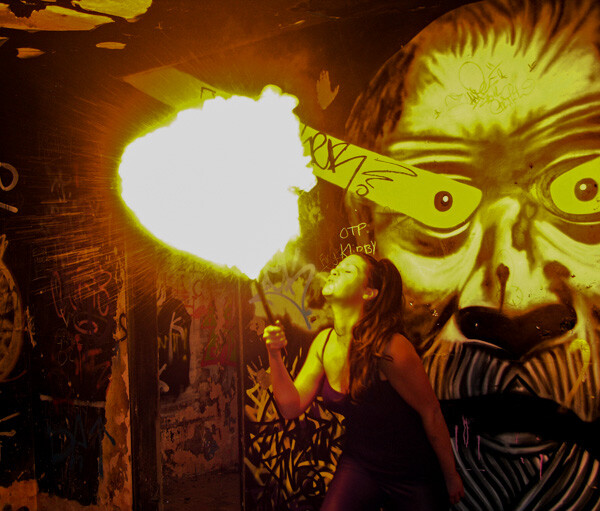
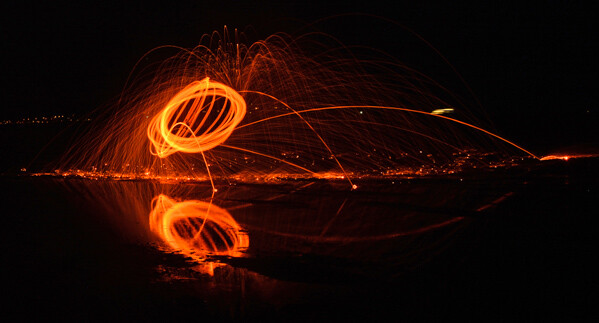
- Organized field trips; providing some amazing photo opportunities including; a fire breather, light painting, model shoots, etc.
- Learning by practical sessions – new techniques like portraits and lighting, or macro to introduce new areas of photography I had never explored previously.
- Joining a club, above all, provided an opportunity to learn, as well as inspiration and motivation to get out taking photos more often, and to do it better.
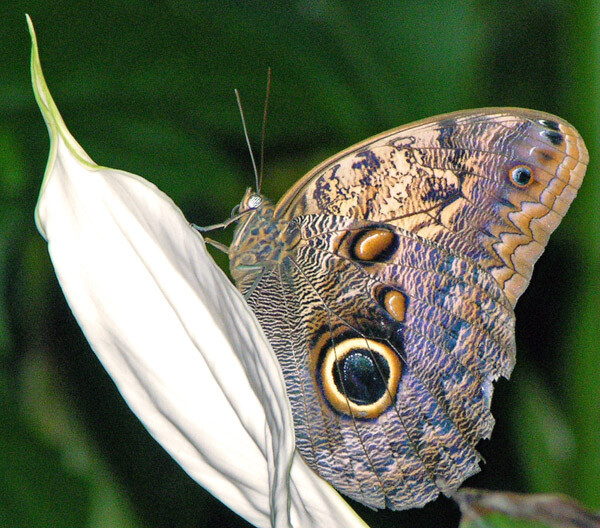
STEP TWO – try entering competitions
Competitions are one aspect of photography clubs which tends to put a lot of people off. However, I found that the competitions are very useful to help concentrate the mind on a particular topic, or learn a new technique. For example: long exposure or macro photography, which I had never tried before.
Getting expert feedback from judges can be invaluable – usually they will want to help you improve, and will provide helpful feedback on your image, e.g.. exposure, cropping, etc. Competitions are also a chance to show your off your work, and let’s face it, we all like some recognition. So winning competitions doesn’t exactly do any harm.
STEP THREE – Learn the basics
It’s important to get to know the basics on the technical side. It’s no substitute for the photographer’s eye, but the lack of technical skills might prevent you from capturing the image that you want. The good news is there are loads of great sources from the photography club, great websites like dPS, flickr, books, and podcasts. The big lessons for me included:
- Exposure and how to control it with aperture and ISO – is the image too bright or too dark
- How to get sharp images by adjusting focus modes, shutter speed and using a tripod
- Depth of field – controlling what is in focus
- Composition – some of the classic components of a good image, like using the rule of thirds
- Cropping images – using software to crop to the important part of the image, and remove distracting elements
- How to do the basics in photo editing software like Lightroom or Photoshop to crop images, correct exposure, resize images and more importantly, to build and safely store your library of images
Getting a good understanding of the above should make a big difference in the quality of your images.
STEP FOUR – know your camera
I try to consider the basics above and the results are improving. I generally manage to get a few images that I really like, and I think the occasional one at least that has the wow factor. With a modern DSLR you don’t need to understand all its complexities but you do need to know the key features, to get the most out of it. You don’t want to miss a shot of a spectacular sunset while you trawl through the manual, so understanding the main controls are essential including:
- Focus – manual and auto focus modes
- Image stabilization
- Metering modes
- Manual mode – controlling aperture, ISO, and shutter speed
- Image file type – Jpeg or Raw
- White balance
A big milestone for me as I got to know my camera, and got more confident, was stepping out of Auto mode and going Manual. I can attest, when you get it right, it really works. When you get it wrong, delete – it’s the busiest key on my keyboard. I still need to get my head around the focus modes, white balance and some of the more exotic possibilities like HDR.
STEP FIVE – get the right gear
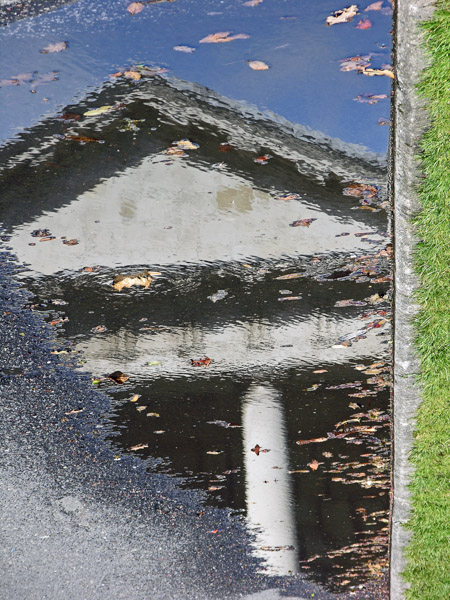 When I joined the club I must say I had a bit of camera envy – mine being a Nikon 8 megapixel E8700 bridge camera, of 2004 vintage, which had served me well. People in the club correctly told me that it’s not the camera that makes the difference but the photographer. My vintage Nikon was great for many situations, but couldn’t match the quality and versatility of a modern DSLR.
Unfortunately, when I bought it on a family visit to New York in 2004 I explained to my wife that this $1100 camera was a lifetime investment. After some negotiation with my wife, I made a new lifetime investment in 2013, and am delighted with my Nikon D7100, although I’m still trying to come to grips with its incredible capabilities. I would definitely recommend a tripod also as one essential piece of gear that will improve your results, and help you to with long exposure, night shots and getting sharp images in focus.
Don’t rush into buying a whole load of gear however, wait until you find that your current camera or lens is holding you back.
Note: the images below were all taken with my new D7100.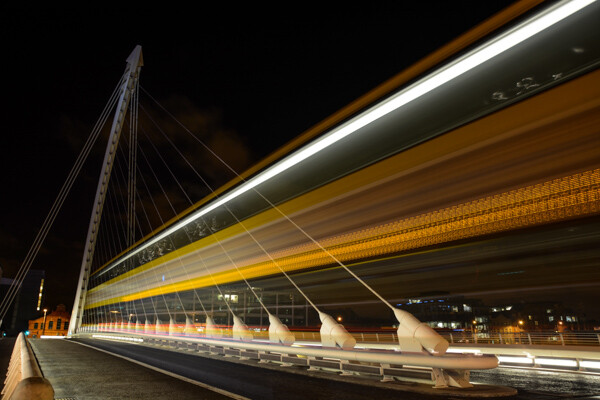
WHAT’S NEXT – plan for 2014
So where to next? What does 2014 bring, I hear you ask. Now is the time to put a plan together!
- Make a calendar of the many sports and cultural events that might provide new and varied photo opportunities
- Projects – to develop your skills; e.g. one day in your city, monochrome (B/W), sports, nature, architecture
- New things to explore – some new techniques or skills to master to take you out of your comfort zone and try a new area such as long exposures or portraits
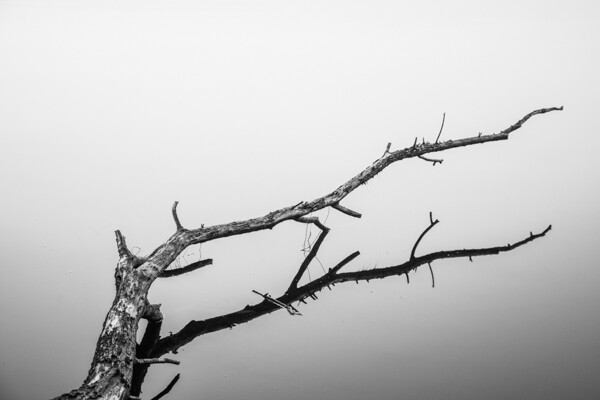
Most of all – think before you shoot
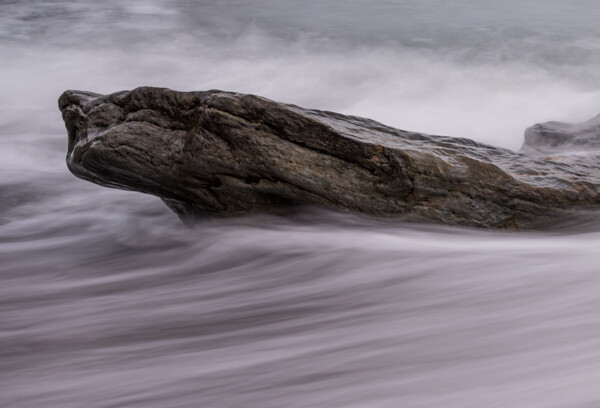
This was the biggest lesson of all for me – use everything you have learned to get the best possible result. Use your knowledge of the exposure and composition. Try a different camera angle or point of view, depth of field, lens, or shutter speed to try and create an image with the wow factor.
Above all get out there taking photos and enjoy, there is no substitute for practical experience.
Further reading
For more tips for beginners – head over here.
Photo Nuts and Bolts – know your camera and take better photos, a dPS ebook.
Source Article from http://feedproxy.google.com/~r/DigitalPhotographySchool/~3/H9vzO6_yxpQ/year-photographic-lessons-journey-novice-photographer
 Started out doing photography at the age of 6 using an uncle's old 1940 kodak brownie box camera. At 15 years of age, I decided to buy my very own 1975 Praktica SLR camera. I now shoot with a Nikon D850. I do unpaid TFP and commercial paid work.