


Why Prints Matter to You as a Photographer
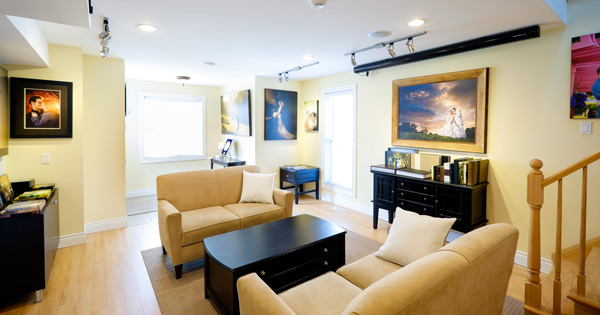
Digital has done wonders for our industry – it allows us to learn faster, it gives us technological opportunities that we could have only wished for in the “film†days and it has made completely new styles of photography possible. There’s no doubt that the digital shift has been a positive one.
While we embrace all of this change that digital has brought and explore the new depths of technology, I think it’s important to keep one foot in the “analog†world, at least one area – the physical print. The print versus digital discussion is a very controversial topic among professional photographers, and certainly everyone will have their own opinion. Regardless of where you fall in this matter, I’d like to share some thoughts and explain why I feel prints matter for us as photographers and for our clients as consumers of photography.
There are three topics of discussion that I will explore:
- Why printing is important for you as a consumer of photography
- Why offering printed products as a professional photographer is crucial to your long-term success
- How printing your work is the best way to grow as an artist
The Nostalgia of prints
Forget about the fact that you’re a photographer and take your attachment to professional quality imagery out of the equation. Printing as a medium is one of the most meaningful ways that you can enjoy photography. Here are a few reasons why the printed image is so important to you as a consumer of photography.
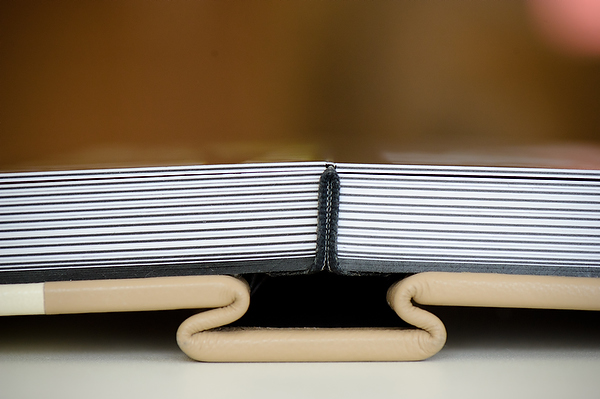
A print will always be there
Digital media go out-of-date and out-of-style, and the files that you have stored in these digital formats will also go out-of-style and become unaccessible. Imagine having your vacation photos from 1995 on a 3.5″ Floppy Disk – how might you access those “digital files†today? Of course this is hard to imagine because digital photography wasn’t around in 1995. More recently then, consider the fact that for years you have used DVDs and CDs to store digital files and now that Apple has decided not to install optical drives into their computers anymore, that medium is slowly starting to disappear. You’ll soon have a generation of images that were stored on discs that may not even be (easily) accessible. On the other hand, if you made prints as well, then these changes in technology wouldn’t have a negative impact on you being able to continue to enjoy your images.
A print doesn’t need to be enjoyed on a screen
Being “in the moment†and away from technology is not a luxury that you get to enjoy all that often in today’s digital world. There is something nostalgic and romantic about being able to curl up on the couch with your children and look back at a wedding album, or old family photos, without having to flip open a laptop and press the “next†button dozens of times. When you look at a picture that is printed, you are free of distraction. There is no e-mail bouncing up in the bottom of your screen and no Facebook “dings†going off in another window. You can enjoy the picture and the story it tells in a quiet, distraction-free moment.
A print lasts a lifetime, and often even longer
Physical prints give you heirlooms to pass down as you move on in your life. Often you are not recording (capturing a moment) and printing (preserving the moment) for today, but instead for tomorrow, for your children and your children’s children. Passing down a box of hard drives doesn’t exactly have the same appeal, does it?
Professional photography – why printing is important
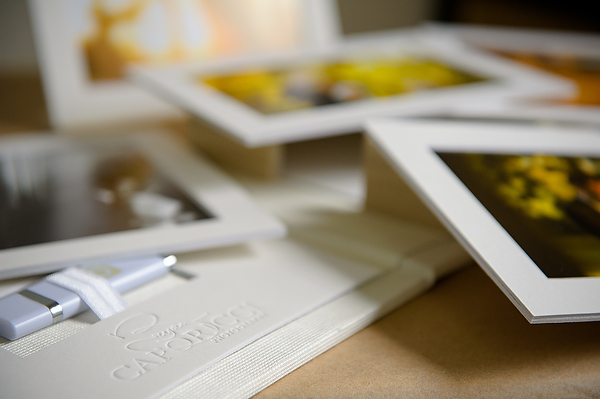
As a professional photographer or aspiring professional, it’s important to consider offering printed products to your clients. Besides the nostalgia, the emotional and logical reasons for enjoying the printed image as described above, there are also many business benefits to being a full-service photographer. Here are a few:
- Prints can separate you as “great†photographer, apart from the “ok†photographers. It’s easy to make an image look nice at a low-resolution on the web, but to make an image look great in print involves a whole other skill set.
- Printing your images increases your perceived value as a photographer. Everyone has digital files sitting on hard drives or memory cards. To offer a beautifully finished printed piece shows that you care about your photography and that you put effort into the presentation of your imagery for your clients.
- Making prints for your clients shows that you care about their customer experience and in delivering their images in their finished form, It also shows that you are a full-service photographer, when many these days are not.
- As a photographer, if you are trying to make a living with your camera, offering printed products gives you the opportunity to make additional income as opposed to just making your money from your session fees.
- When you make a print for a client, it means that you control the output quality and the finished product and you don’t leave it up to them to produce their own prints from a consumer-grade lab. Quality control is important for a professional!
- Ultimately, when you offer prints and other professionally produced physical products, you are supporting the industry (i.e. the labs, the album makers, etc.) who are constantly supporting photographers by providing educational opportunities, sponsorships, trade shows and so on.
Printing as a teaching tool
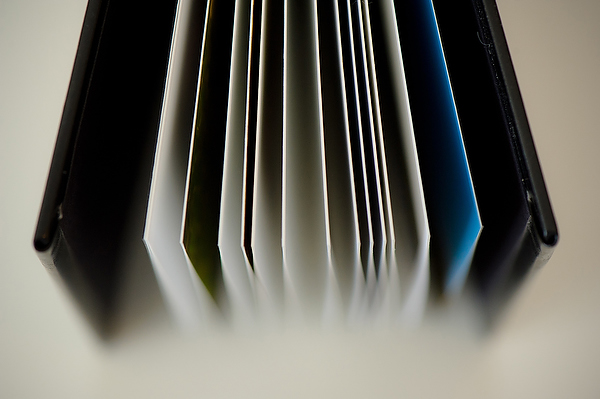
We’ve explored why printing is important for you as a consumer of photography and how you must consider offering printed products to ensure long-term success as a professional photographer. But, now I’d like to take another side of the argument: how printing your work can actually be the best learning tool to help you grow as a photographer and artist.
A print will always be the most realistic representation of an image as it is the only medium that is truly tangible and actual. This will ultimately be the best way to judge your work as an image isn’t truly finished until it’s in printed form.
It’s easier to judge an image when it’s printed – you can examine it closer, look at it longer, and see it in different contexts. I have been taught that a great way to judge and find improvement in an image is to print it, display it somewhere that you pass by frequently, and look at it often. Try changing its orientation and displaying it upside-down for a while. You will often see things that you wouldn’t otherwise notice if you didn’t analyze it to that extent. This is a much more effective exercise than staring at a computer screen for hours on end.
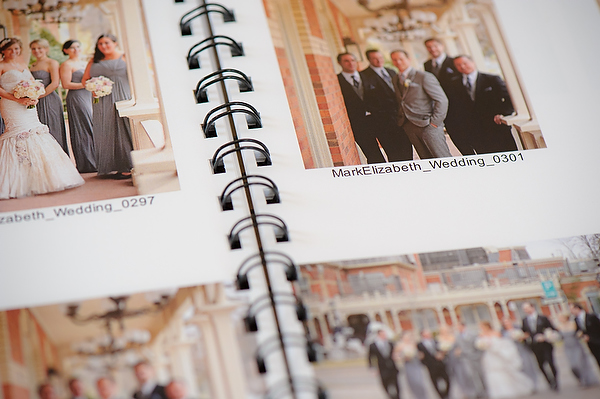
Consider that the process itself of creating a print will help you grow as a photographer because it gives you a greater appreciation for the bigger picture. At the same time, the exercise of getting in close, fine-tuning and perfecting an image for print will show you a lot about your work that you may otherwise have missed if you were just putting together a quick online gallery or contact sheet.
Lastly, a print is easier to pass around and get objective feedback from others. There is no limitation or interpretation that makes digital photography subjective – variations in monitor size, calibration, room lighting and so on. You ultimately can’t argue with print quality – it is either a good print or not – so the discussion and feedback ends up being more about the image than about the presentation.
Becoming a full-service photographer
When you offer a printed product to your clients as a photographer, you make yourself about more than just pictures. You are now about the preservation of moments and in ensuring that your work, and your clients’ memories, will be guaranteed to last a lifetime.
My next article and discussion in this series will be geared towards the mechanics of exactly how to actually sell prints and make your photography business a full-service studio as opposed to being a shoot-and-burn photographer. Check back soon!
Source Article from http://feedproxy.google.com/~r/DigitalPhotographySchool/~3/ZbZmF4ZpzrQ/
 Started out doing photography at the age of 6 using an uncle's old 1940 kodak brownie box camera. At 15 years of age, I decided to buy my very own 1975 Praktica SLR camera. I now shoot with a Nikon D850. I do unpaid TFP and commercial paid work.